The little manager of the RFID workshop
2026-09-17
The little manager of the RFID workshop
The term "RFID Workshop Assistant" generally refers to the automatic collection of real-time status data for people, machines, materials, methods, and environments in the workshop using RFID, replacing manual scanning and form filling. To implement it effectively, the core focus lies in four key aspects:
1. Focus on one thing first, don't start with the whole field
Typical scenarios ranked by input-output:
Work-in-Progress (WIP) Flow and Process Staging – Most Valuable, Directly Resolving "Where is the cargo and at which process step is it stuck"
Workholding fixtures/dies/pallets — the most time-saving when searching for items
Access permissions for personnel entering key areas and hazardous zones
Finished product inventory, inbound/outbound, and shipping verification
Equipment inspection and maintenance records
It is recommended to first select one production line or workshop as a pilot, and then replicate it after successful implementation.
2. Select the correct frequency band and label
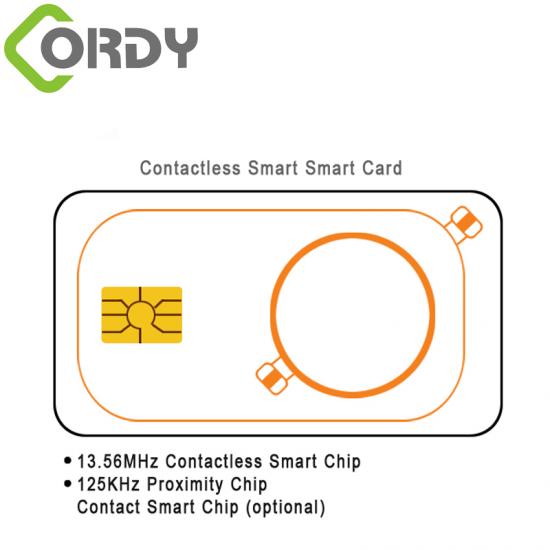
High Frequency HF (13.56MHz): Short-range, moderate anti-metal capability, suitable for workstation card reading and tooling tables
Ultra-High Frequency UHF (860–960MHz): Long read range, capable of batch reading, suitable for pallets, work-in-progress, and access doors, making it the mainstream choice in workshops
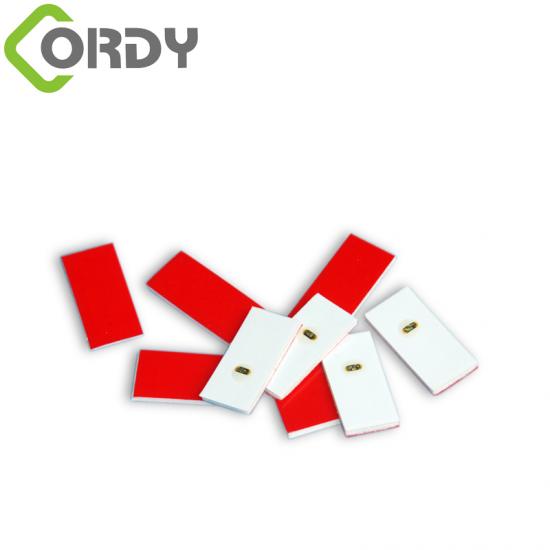
Metal parts/metal environments must be labeled with anti-metal tags or flexible anti-metal materials; otherwise, they cannot be read
For high-temperature, oil-contaminated, and vibration-prone environments, select corresponding enclosures (such as high-temperature-resistant PCB labels and injection-molded enclosures)
3. Layout determines success or failure
Pass-through / tunnel reader: batch entry and exit identification
Workstation reader or handheld device: Process station confirmation
The key is to control串读: signal串扰 between adjacent workstations is the most common pitfall in the workshop, which can be addressed through power adjustment, antenna orientation, shielding, and logic filtering
Network and power supply are planned in advance, with PoE or industrial switches used in industrial environments
4. Data must be applied where it can be used
Labels are just the entry point; the value lies in the backend: connecting RFID events to MES/WMS/self-built systems and creating dashboards—work-in-progress distribution, process cycle time, abnormal dwell alerts, and inventory accuracy. Without system integration, RFID is merely a more expensive barcode scanner.
Common pitfalls
Purchasing only hardware without system integration leaves the data unreadable in the end
The placement of labels is inconsistent, leading to missed readings
Pursuing a 100% read rate from the start leads to soaring costs; in reality, 98%+ with logical compensation is sufficient
Ignoring the electromagnetic environment, workshop frequency converters and welders can interfere with UHF
 русский
  English
 français
 español
 português
 العربية
 한국의
한국의 Türkçe
 ไทย
ไทย Tiếng Việt